
p8nda
BETA
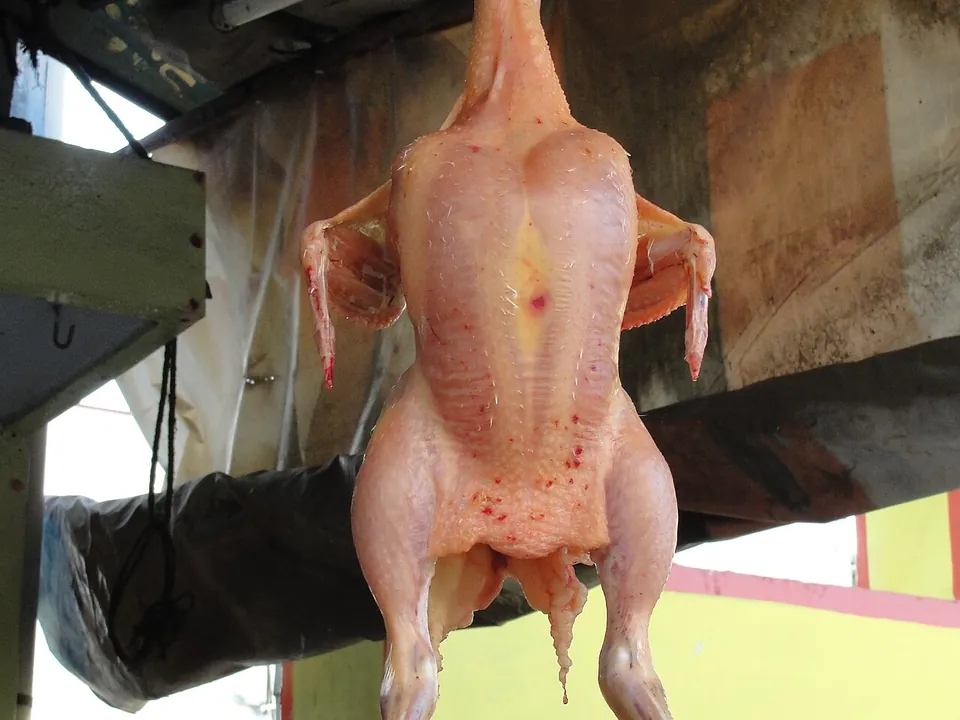
肉类 Meat
Sold whole or in parts, and live in some markets. Chinese cooks usually chop it through the bone into small pieces, so expect bones in most dishes. Free-range birds are firmer and chewier.
Also called 鸡肉
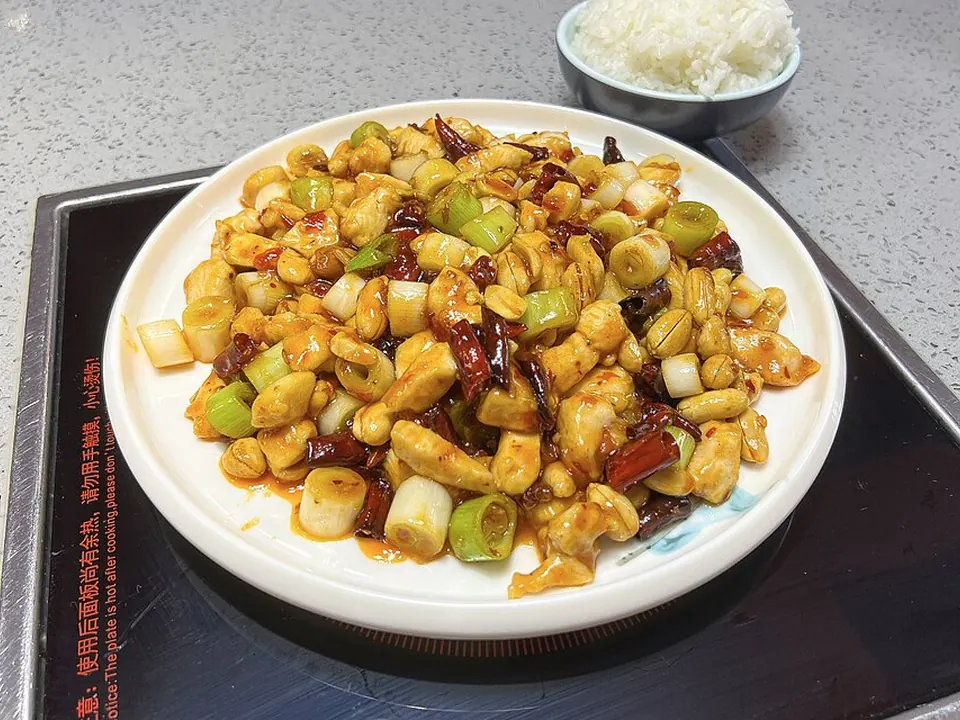 宫保鸡丁
gōngbǎojīdīng
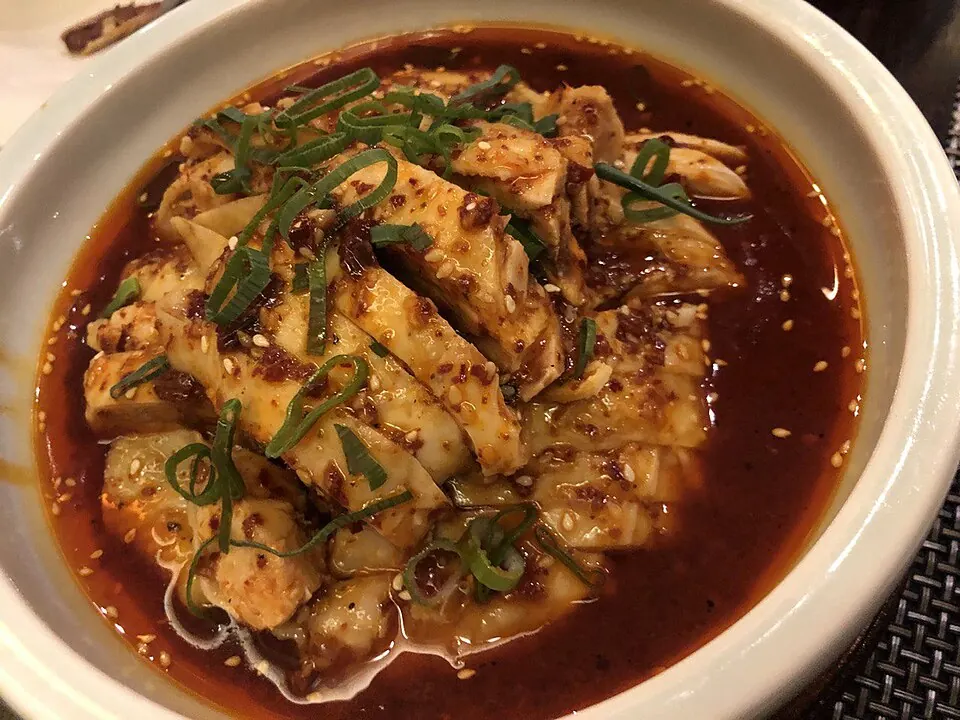 口水鸡
kǒushuǐjī
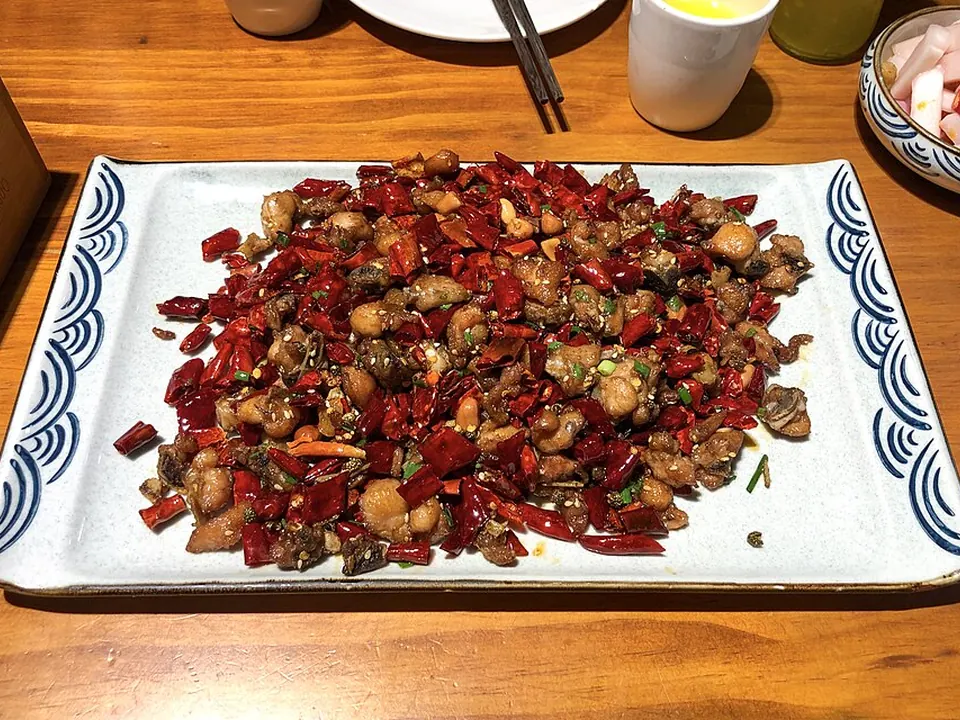 辣子鸡
làzijī
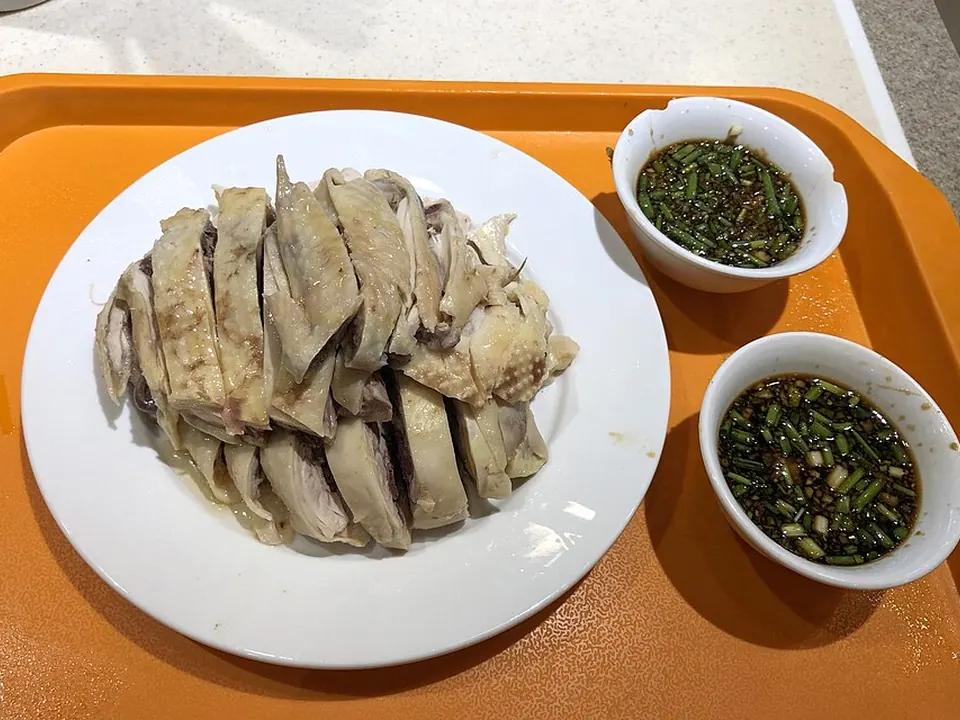 白切鸡
báiqiējī
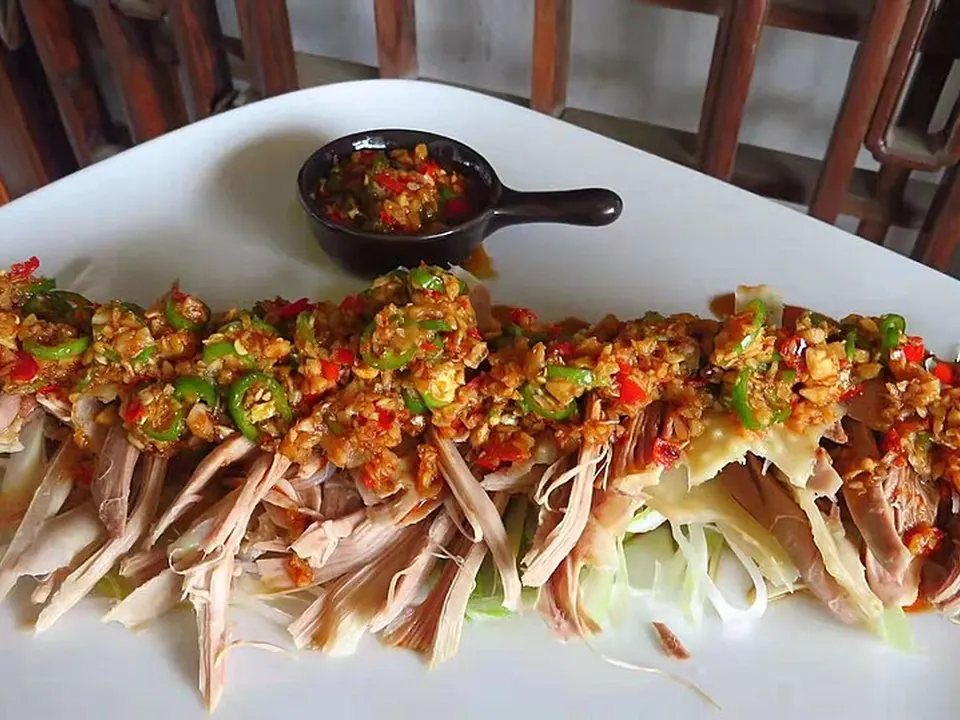 手撕鸡
shǒusījī
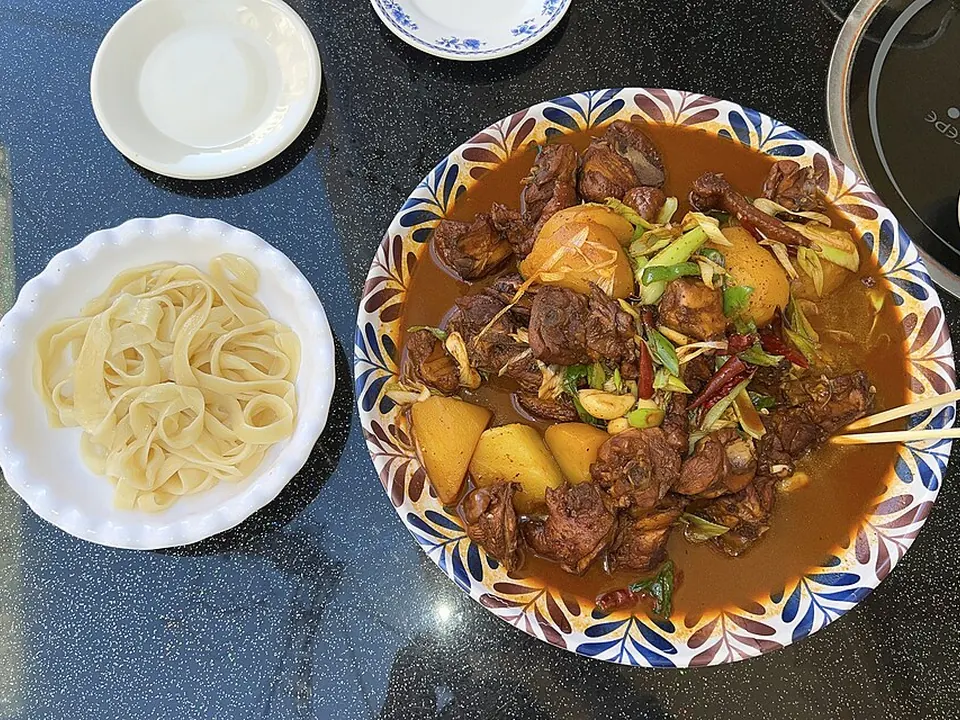 大盘鸡
dàpánjī
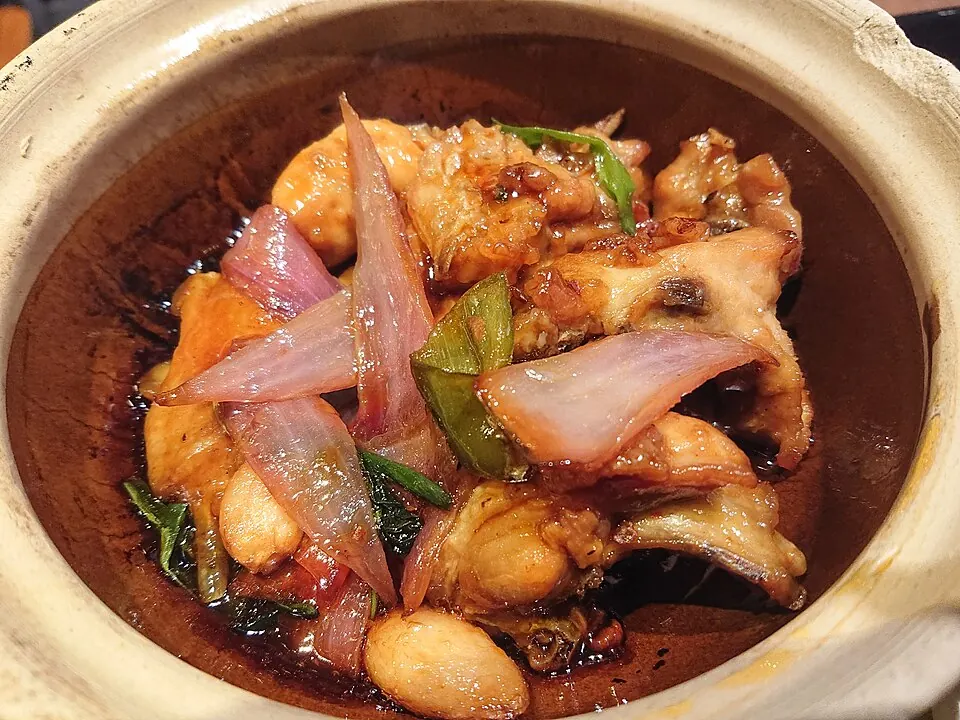 三杯鸡
sānbēijī
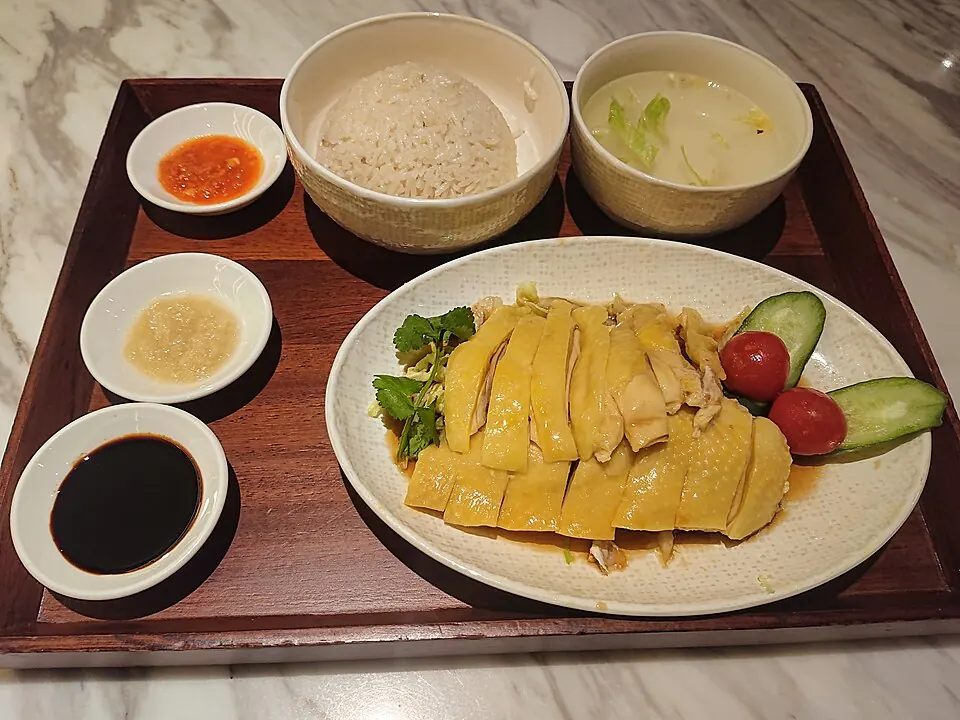 海南鸡饭
Hǎinán jīfàn
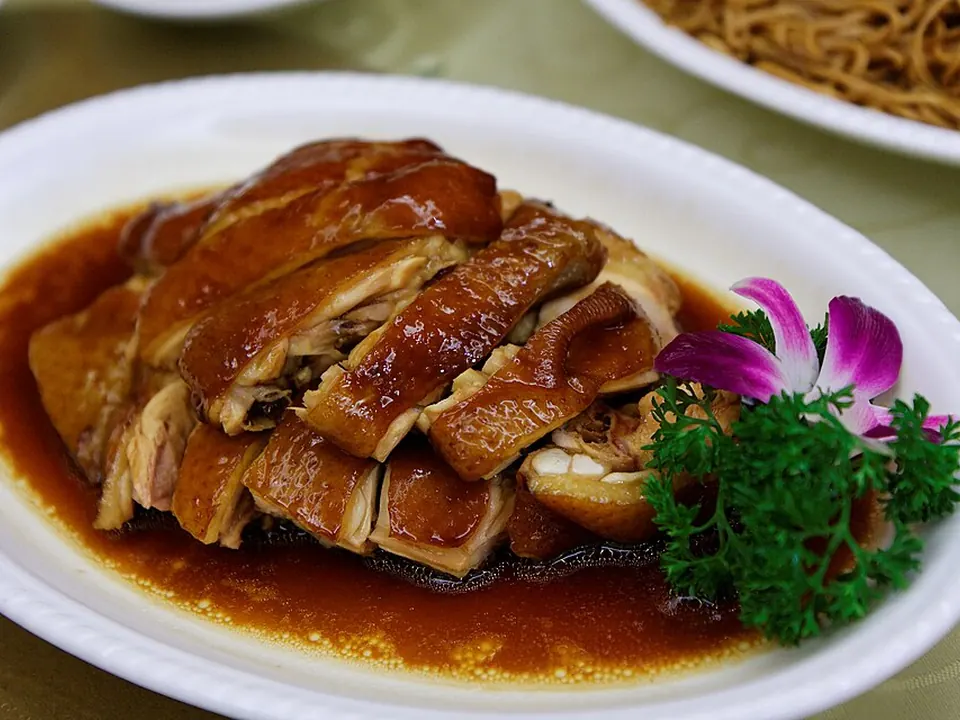 豉油鸡
chǐyóujī
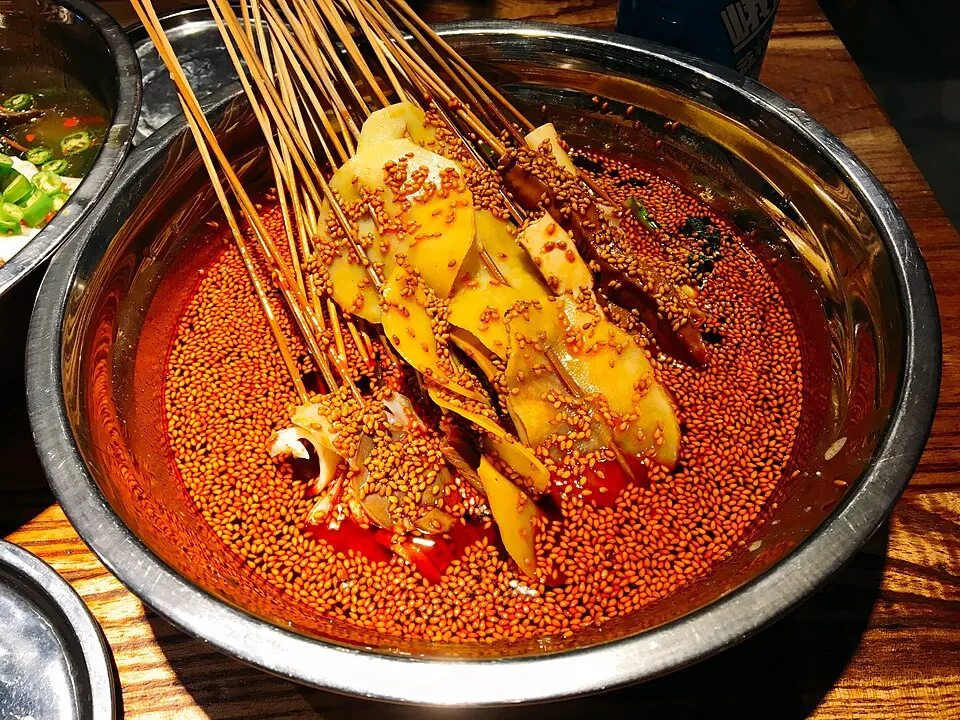 钵钵鸡
bōbōjī
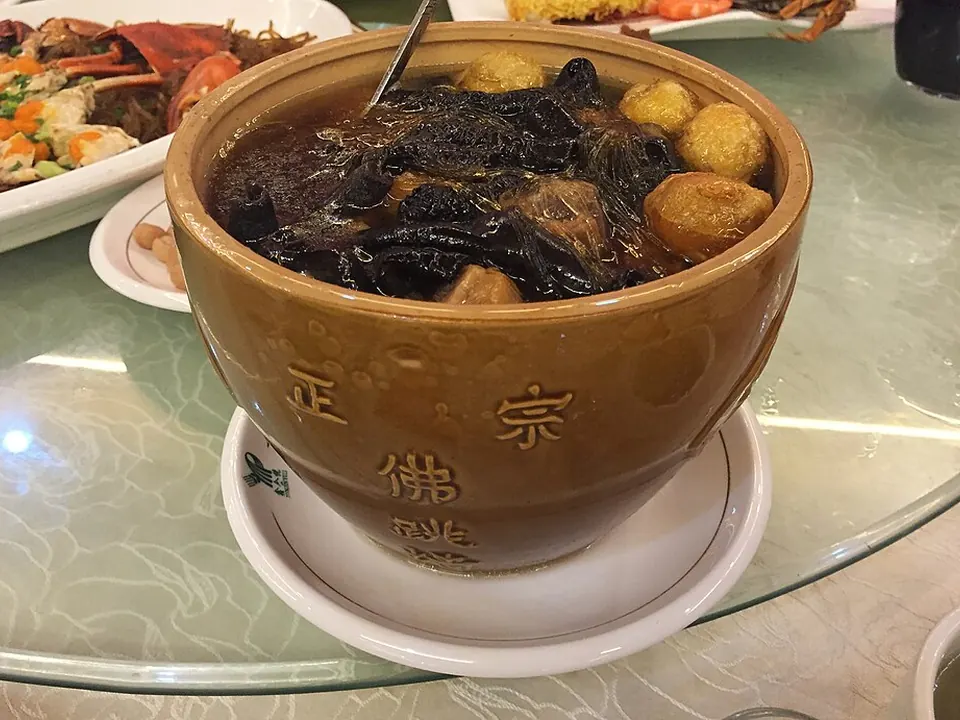 佛跳墙
fótiàoqiáng
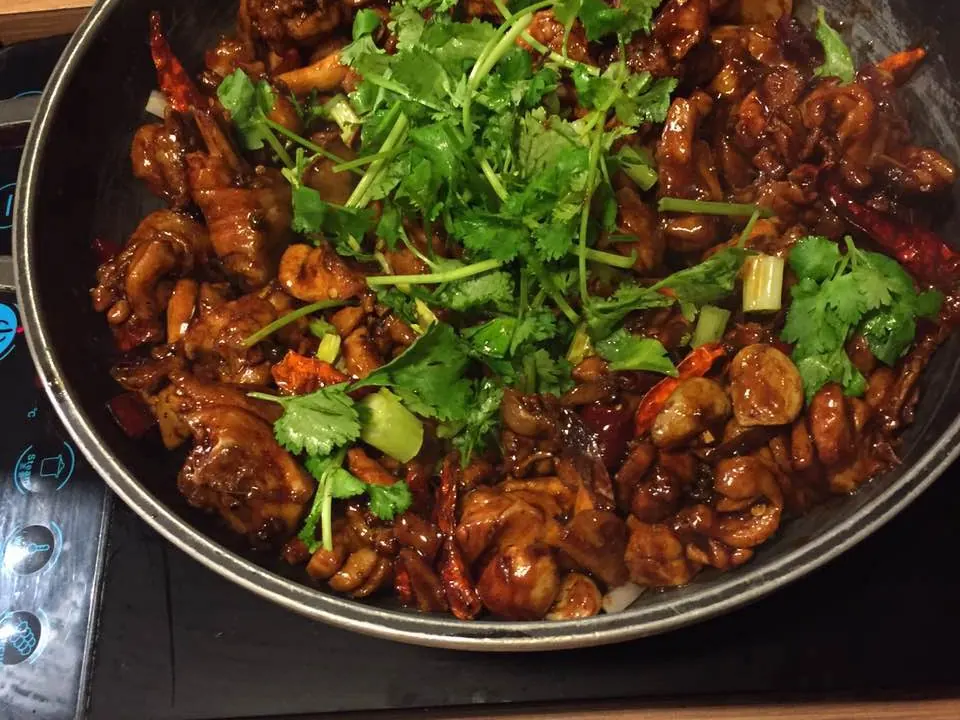 干锅鸡
gānguōjī
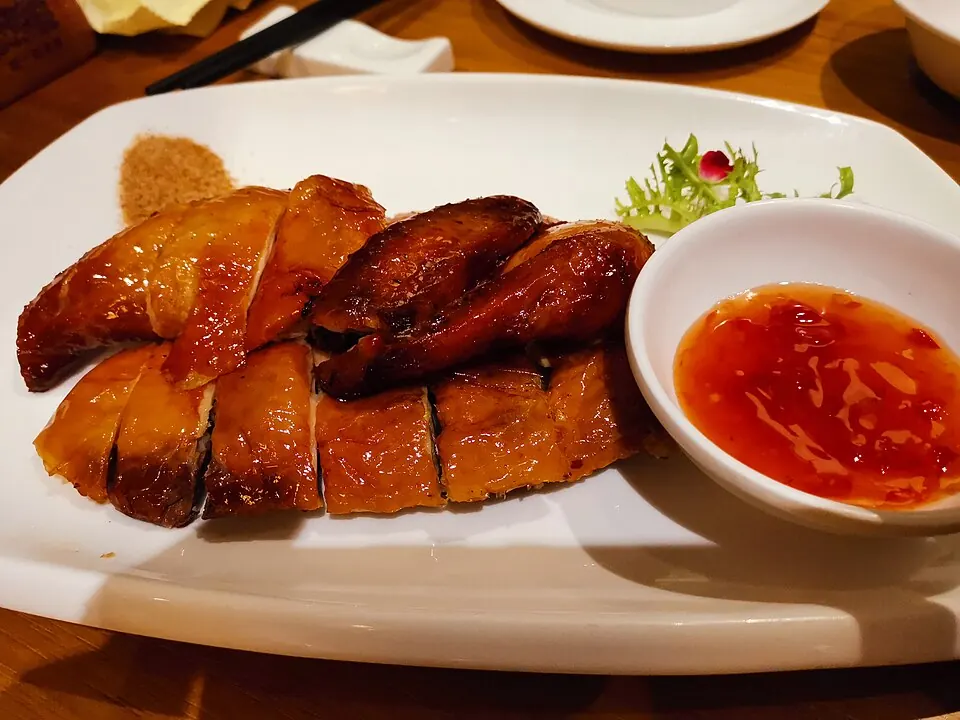 烤鸡
kǎojī
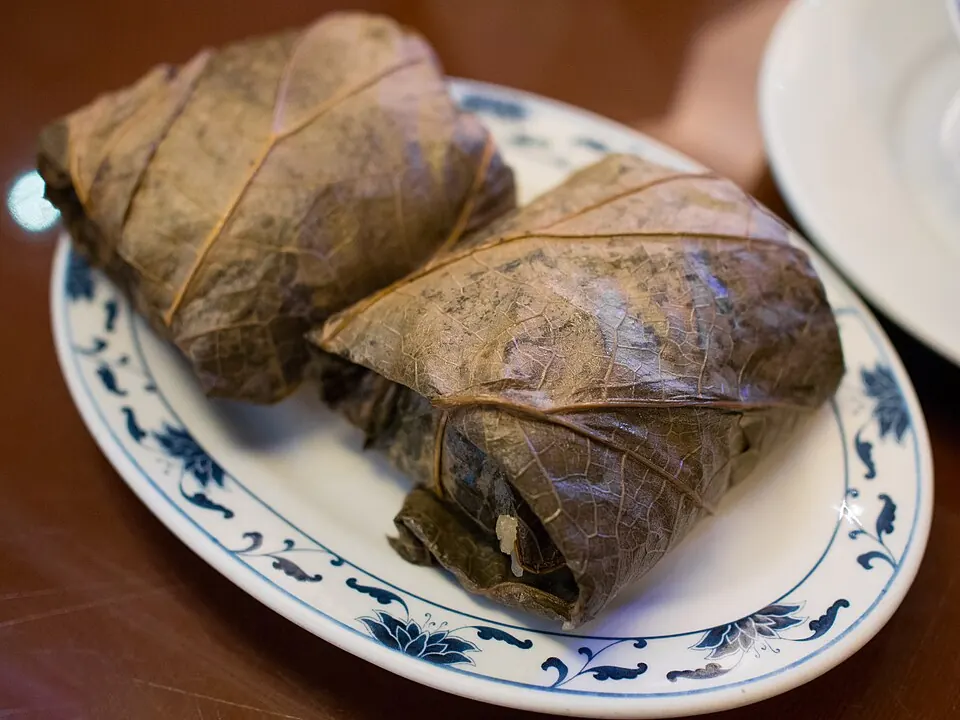 糯米鸡
nuòmǐjī
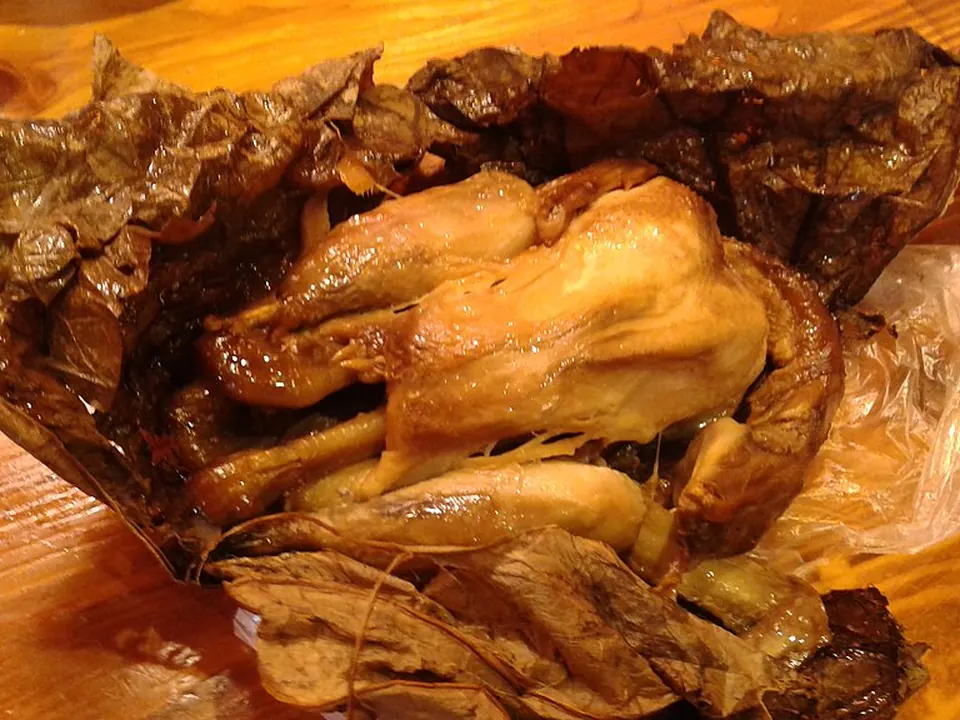 叫化鸡
jiàohuājī
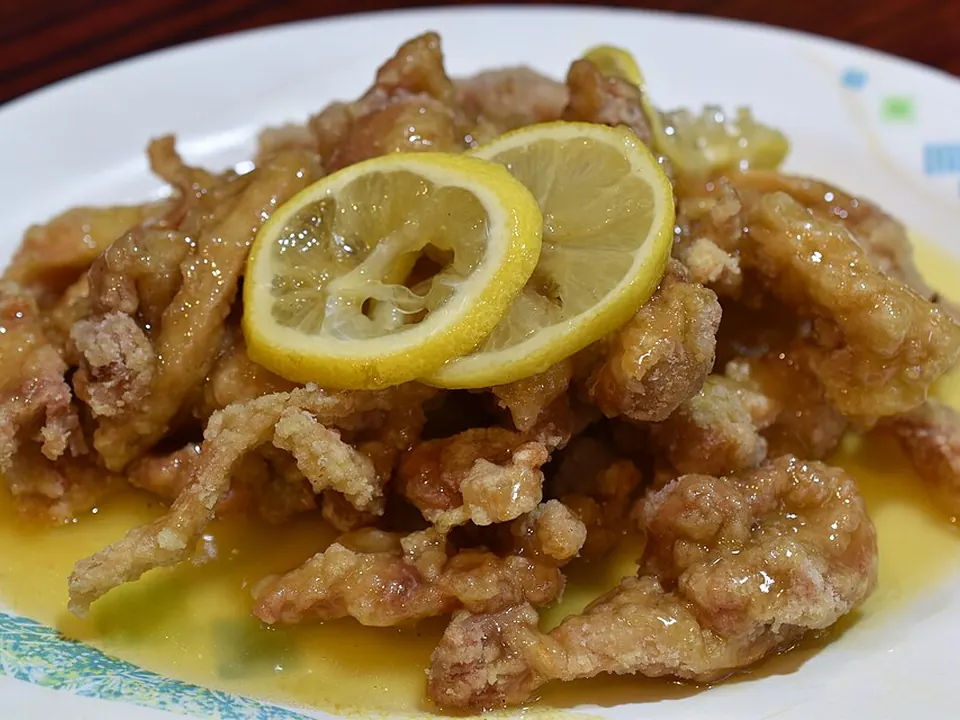 西柠鸡
xīníngjī
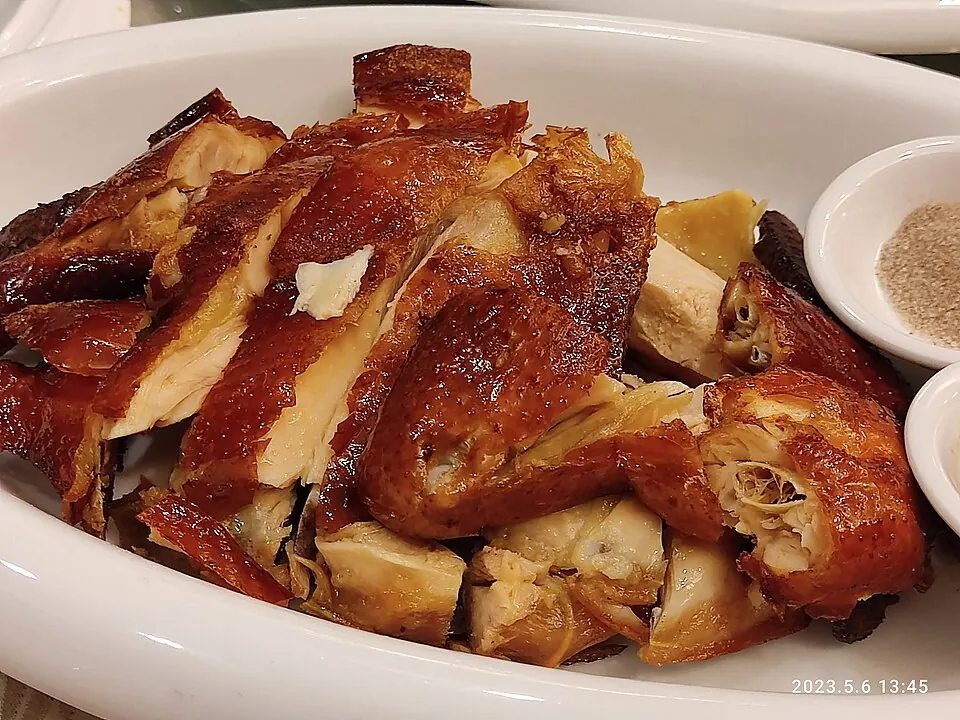 炸子鸡
zházǐjī
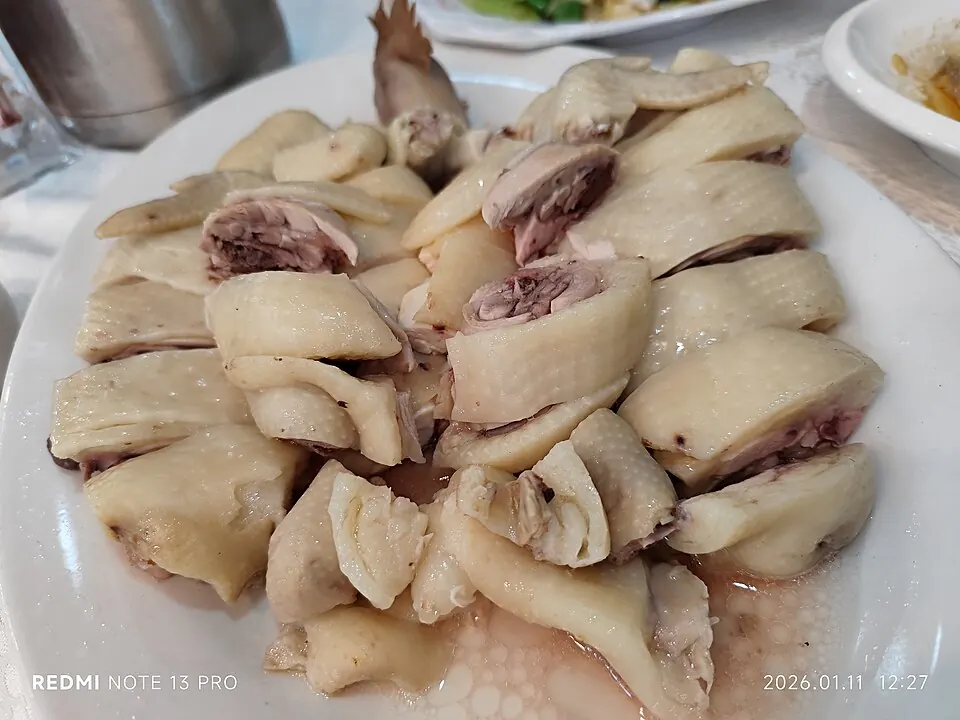 文昌鸡
Wénchāngjī
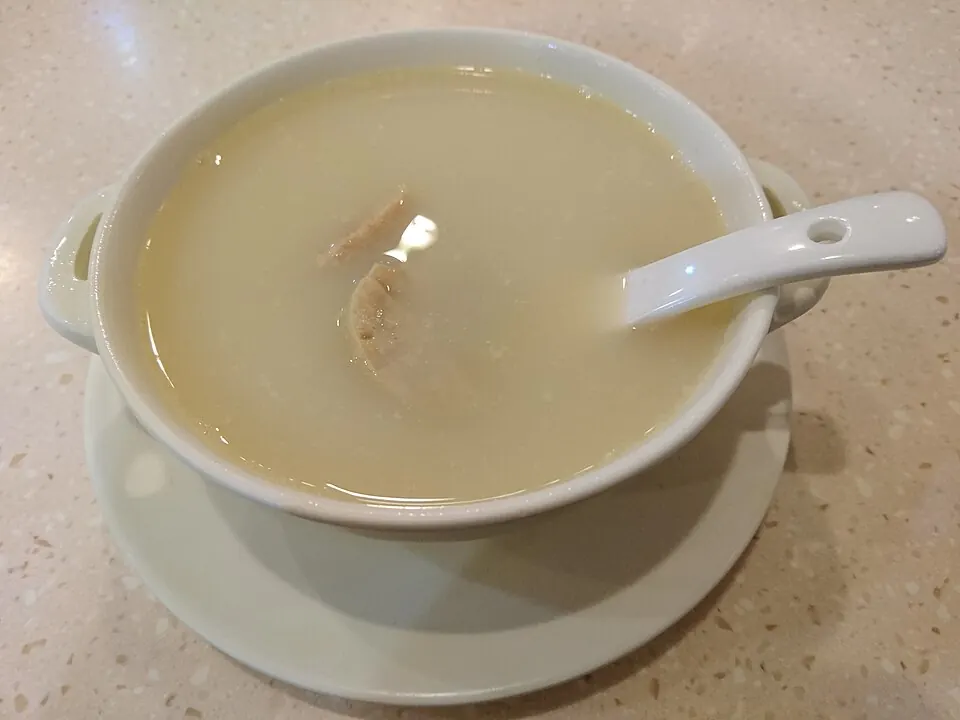 老火汤
lǎohuǒtāng
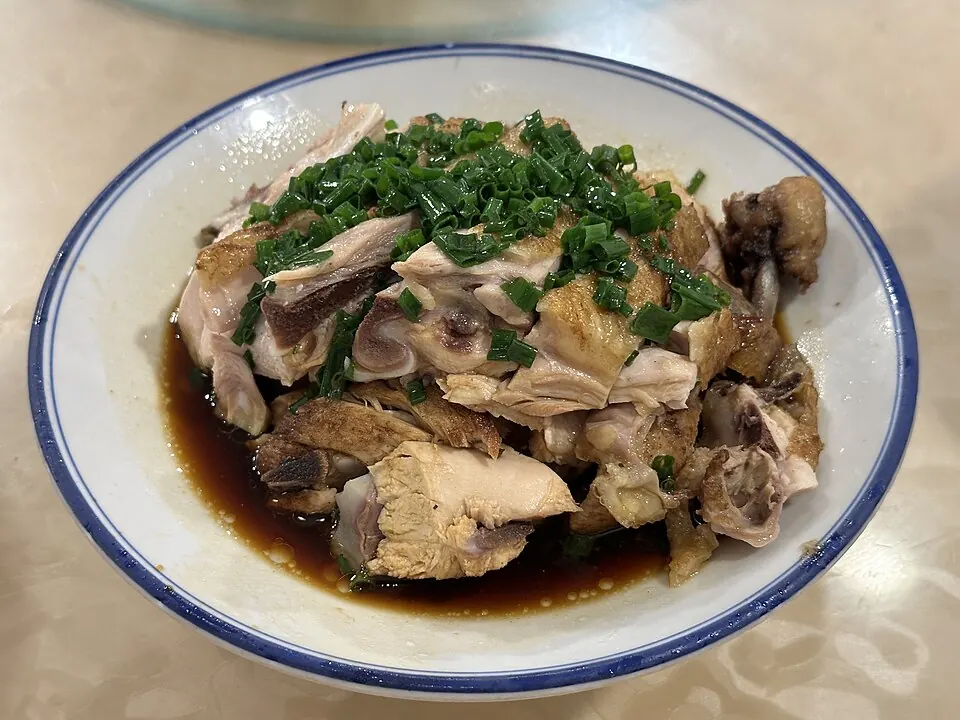 葱油鸡
cōngyóujī
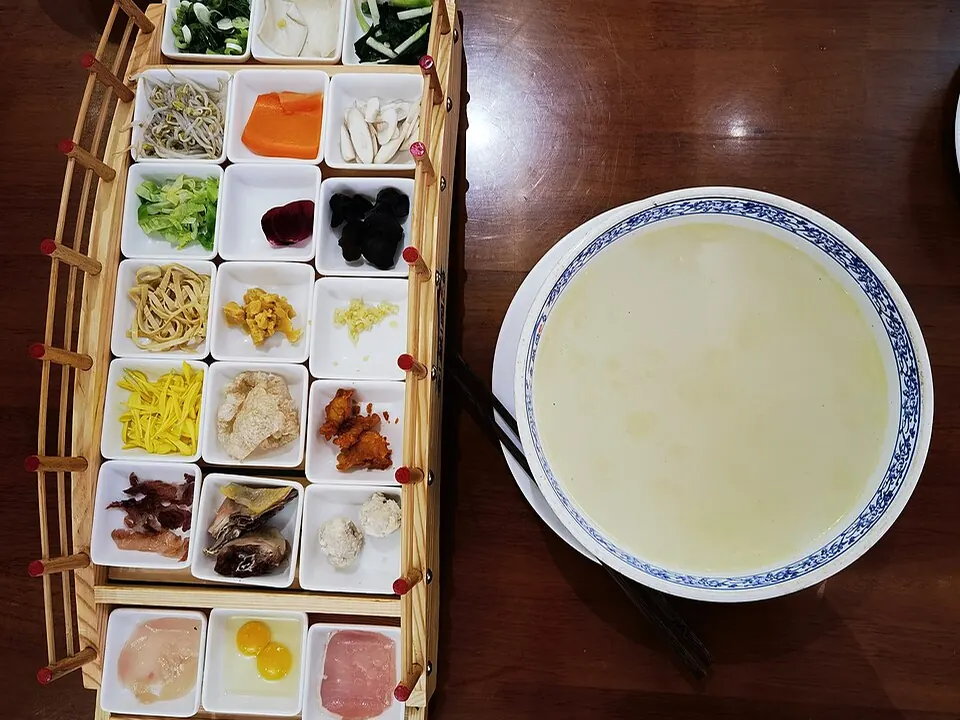 过桥米线
guòqiáo mǐxiàn
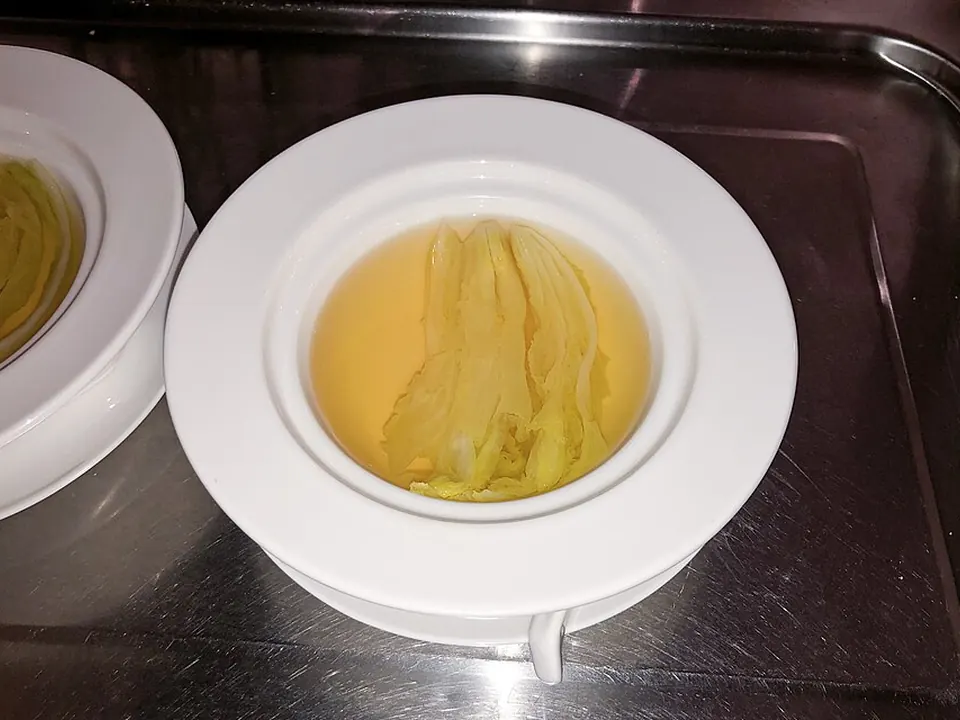 开水白菜
kāishuǐ báicài
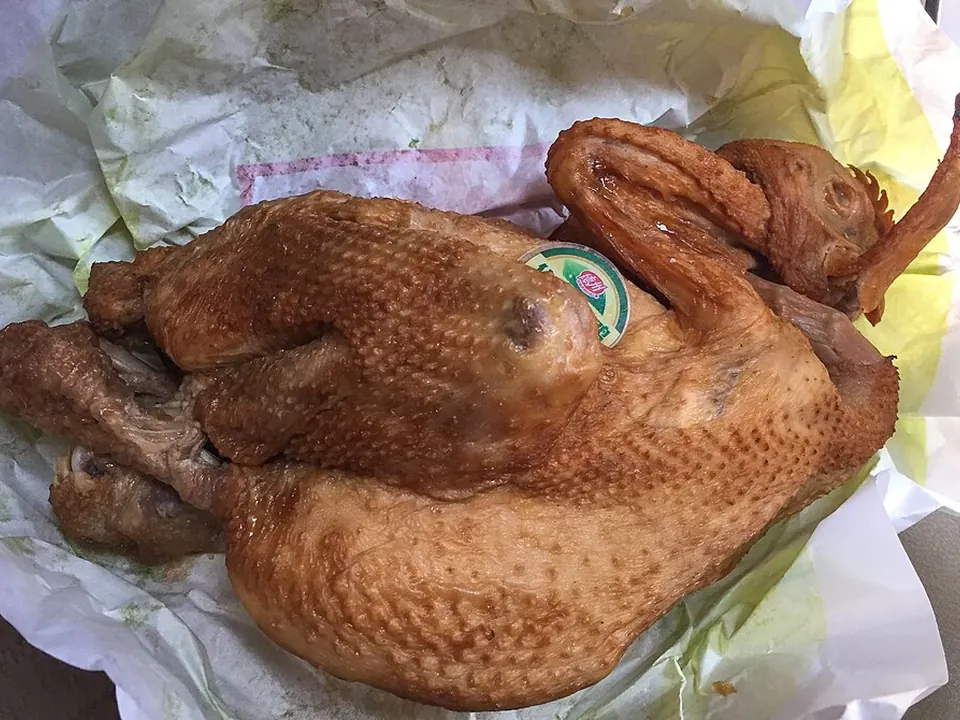 德州扒鸡
Dézhōupájī
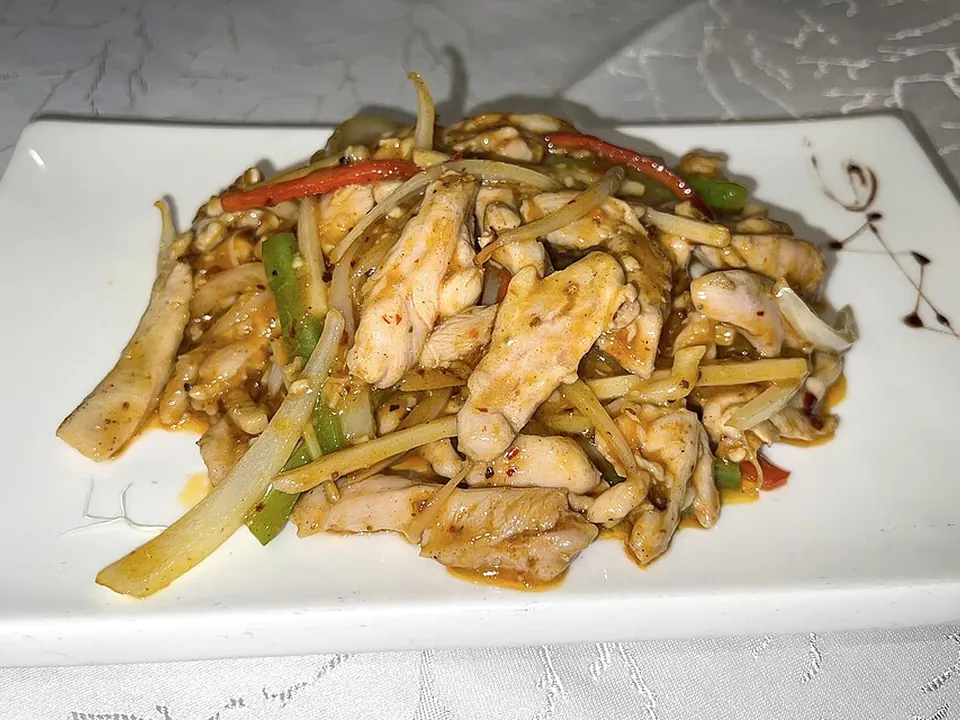 东安子鸡
Dōng'ān zǐjī
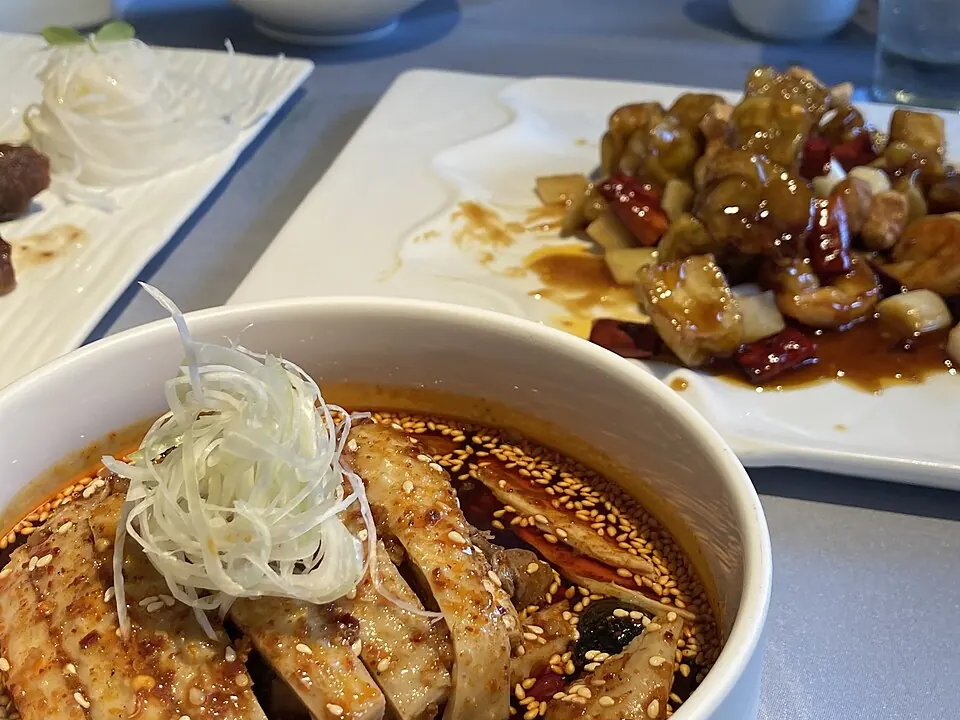 棒棒鸡
bàngbàngjī
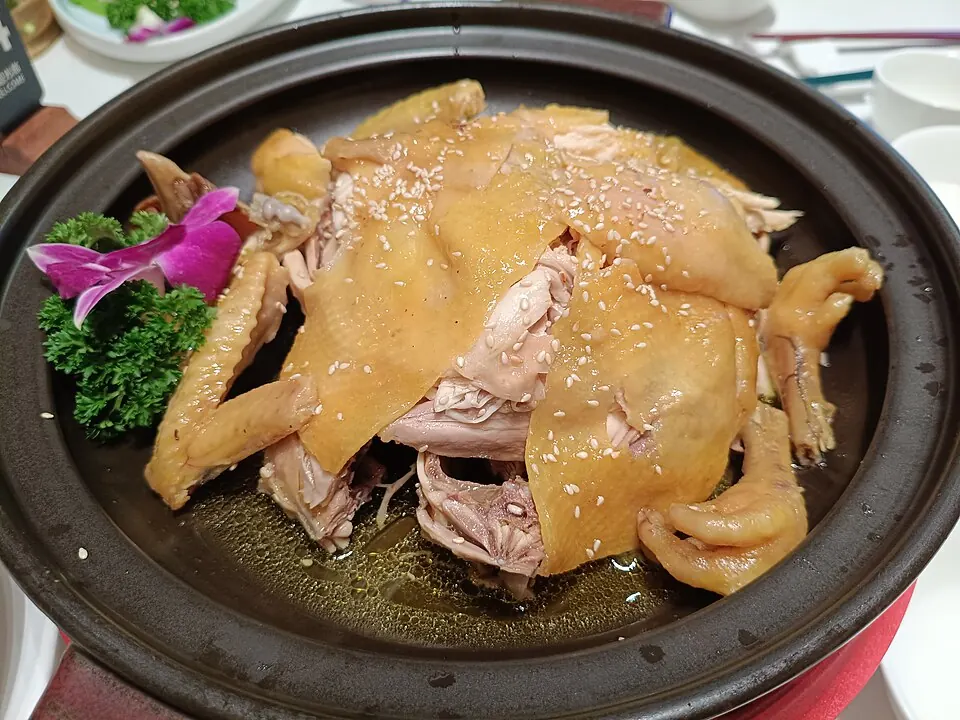 盐焗鸡
yánjújī
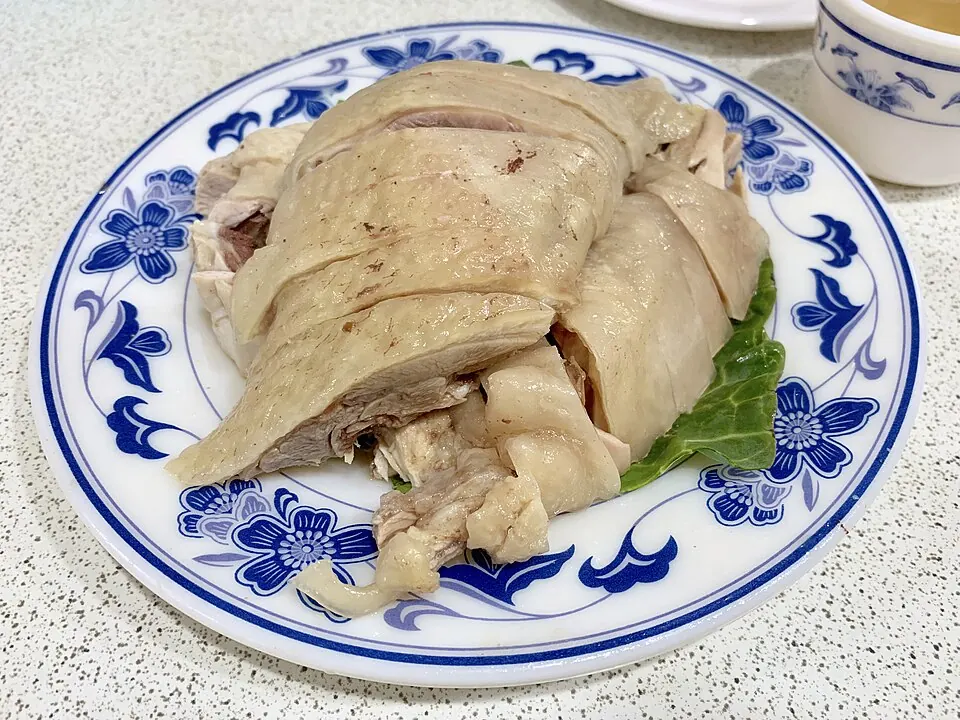 醉鸡
zuìjī
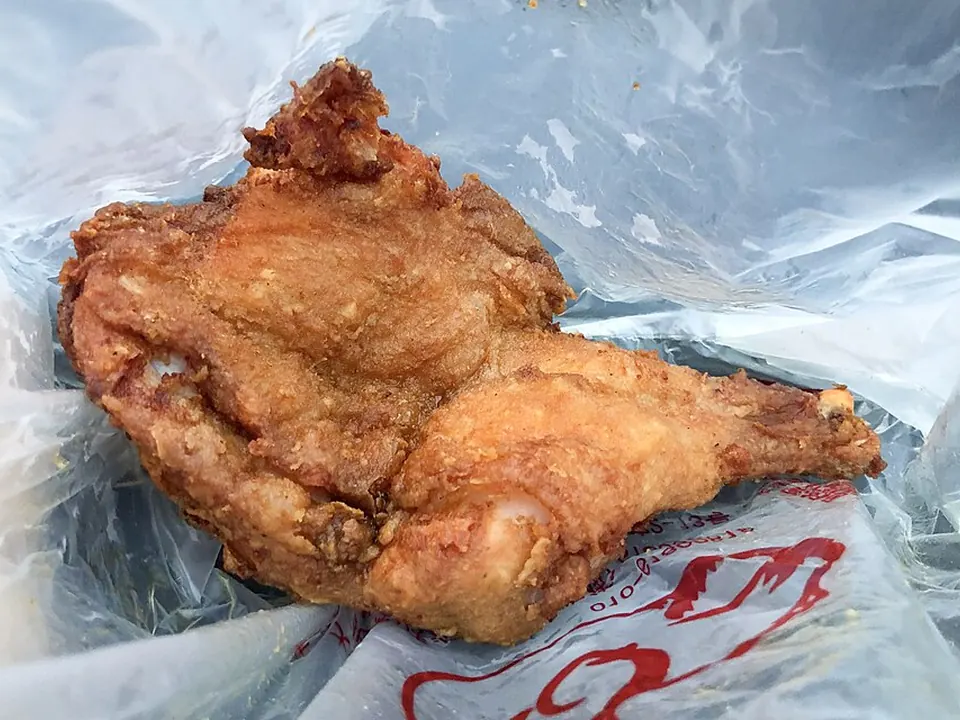 炸鸡
zhájī
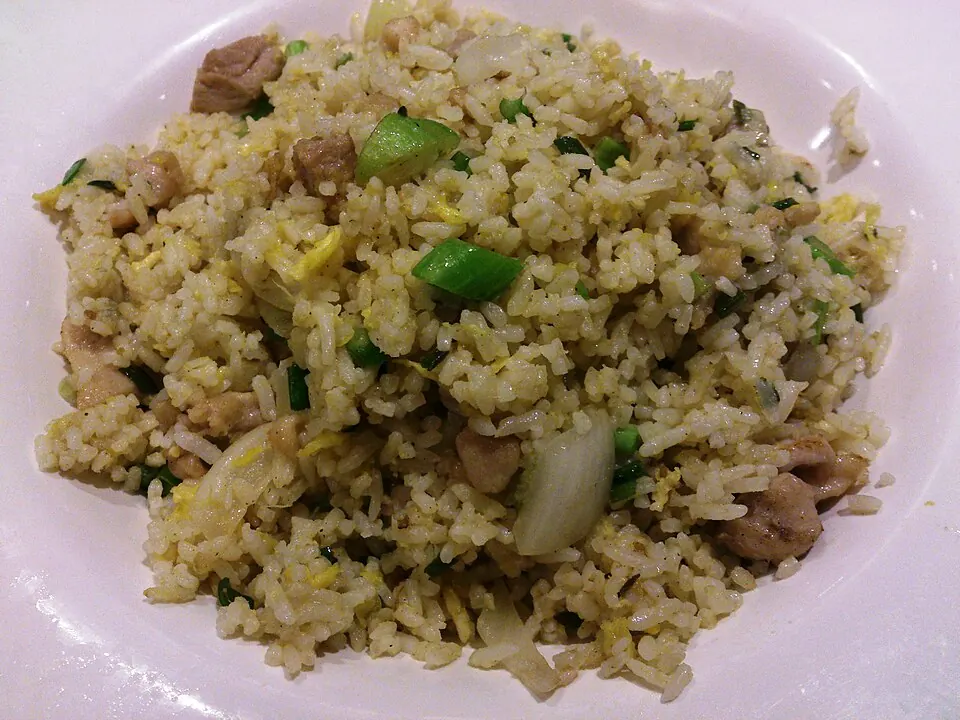 咸鱼鸡粒炒饭
xiányú jīlì chǎofàn
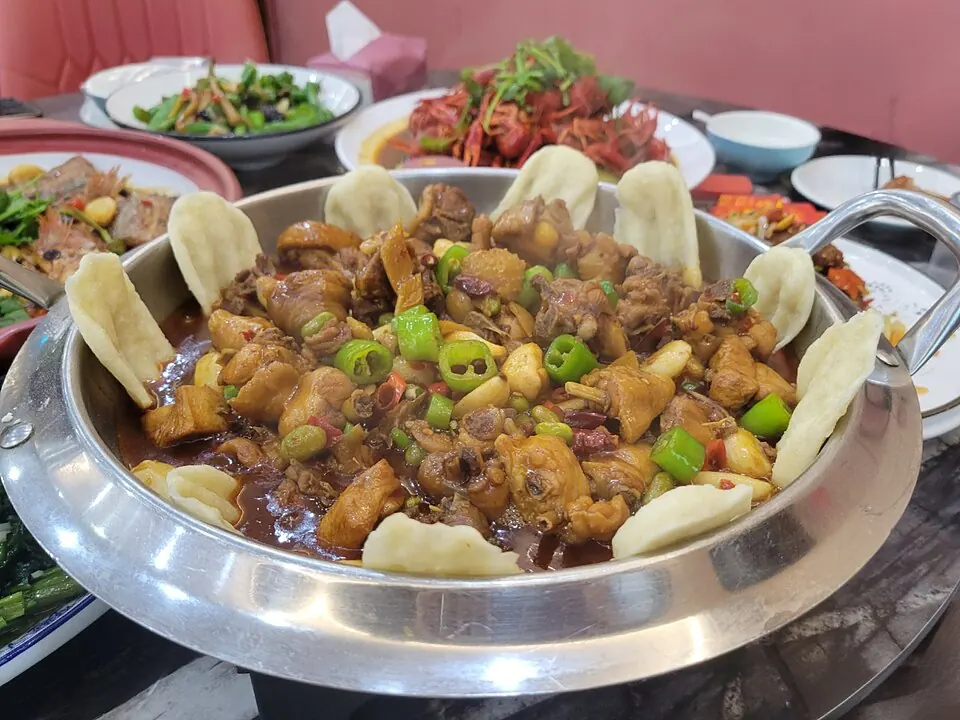 地锅鸡
dìguōjī
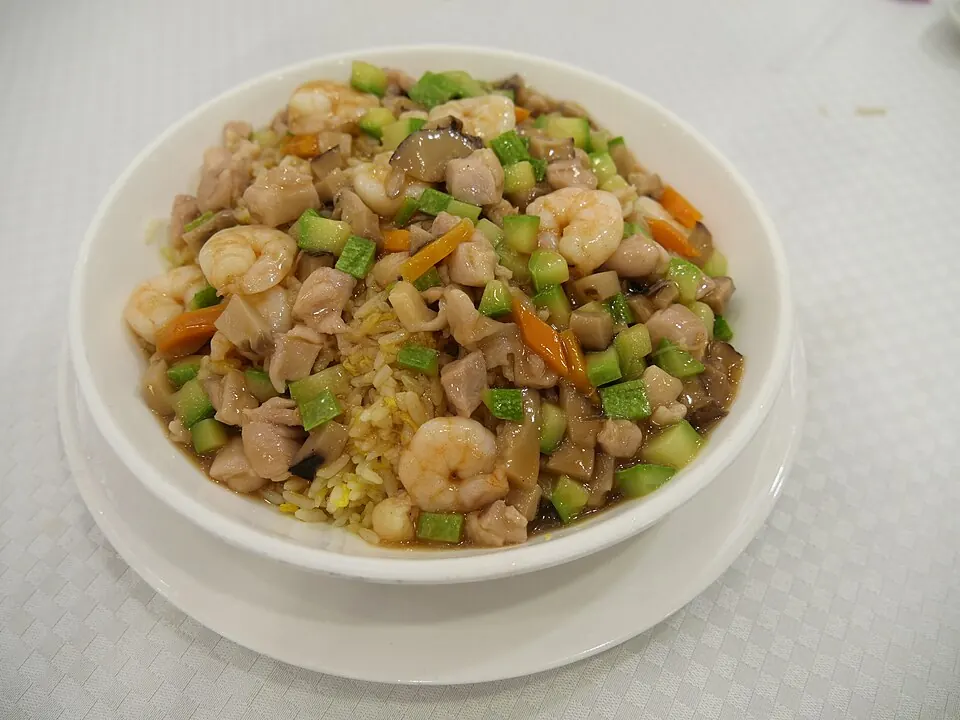 福建炒饭
Fújiàn chǎofàn
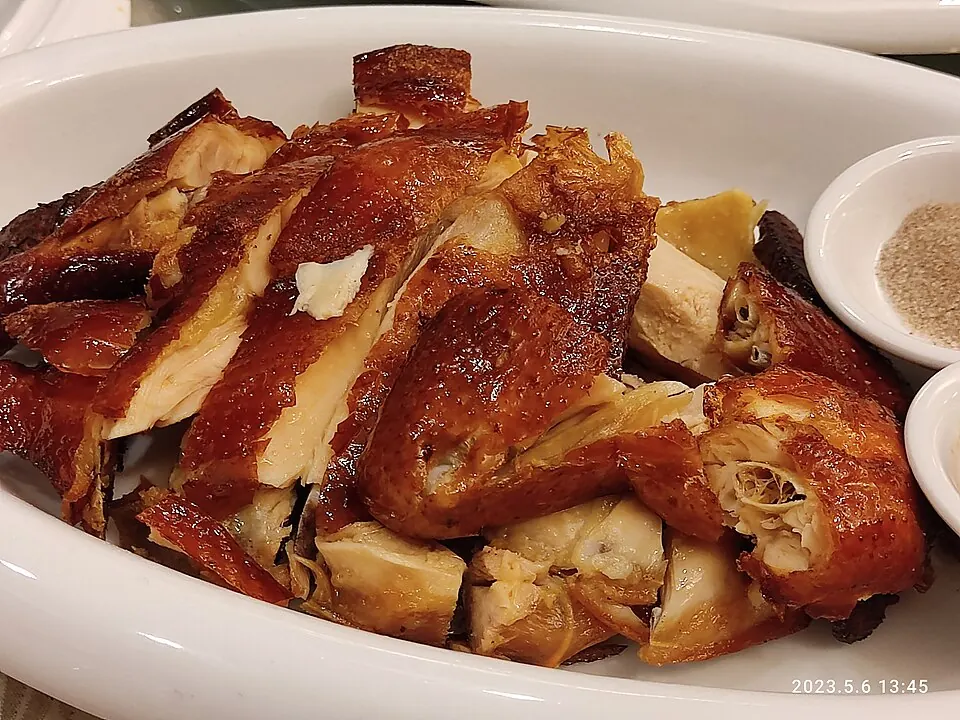 脆皮鸡
cuìpíjī
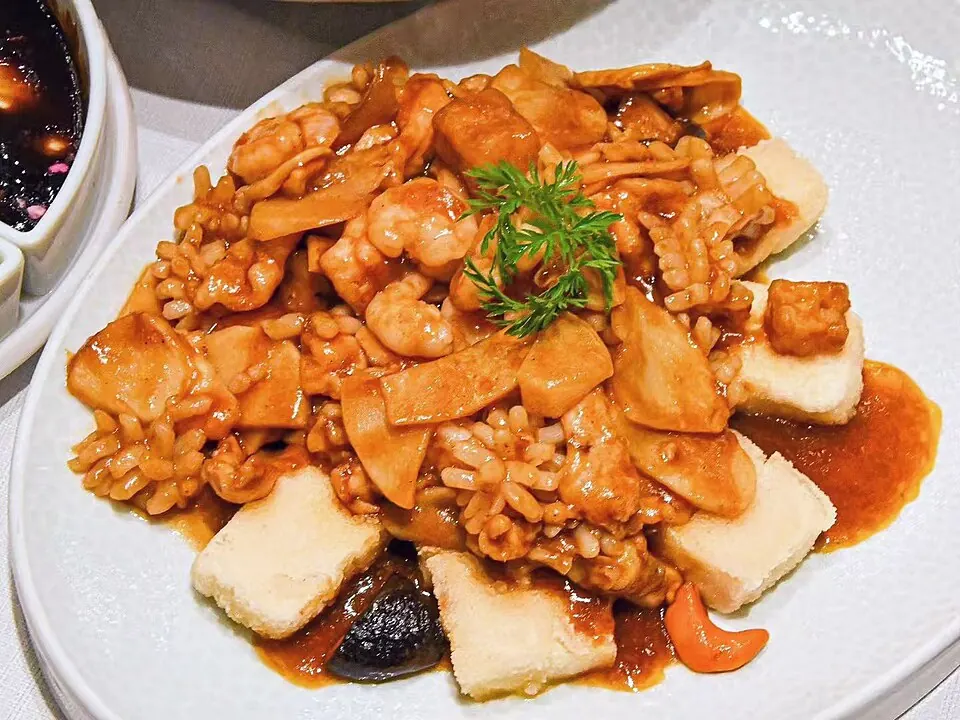 八珍豆腐
bāzhēn dòufu
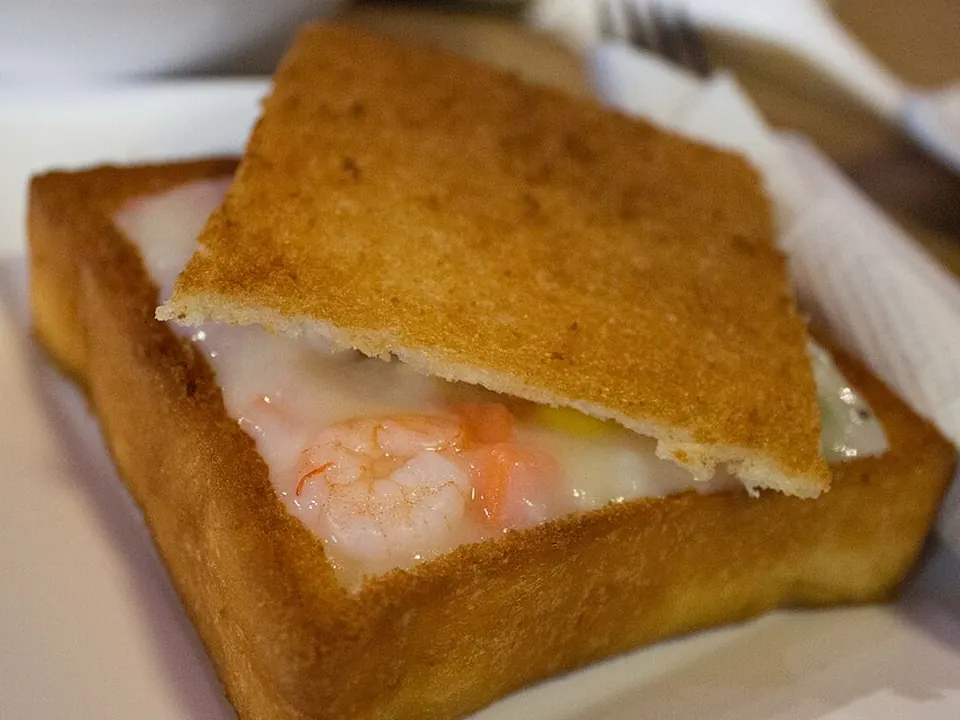 棺材板
guāncaibǎn
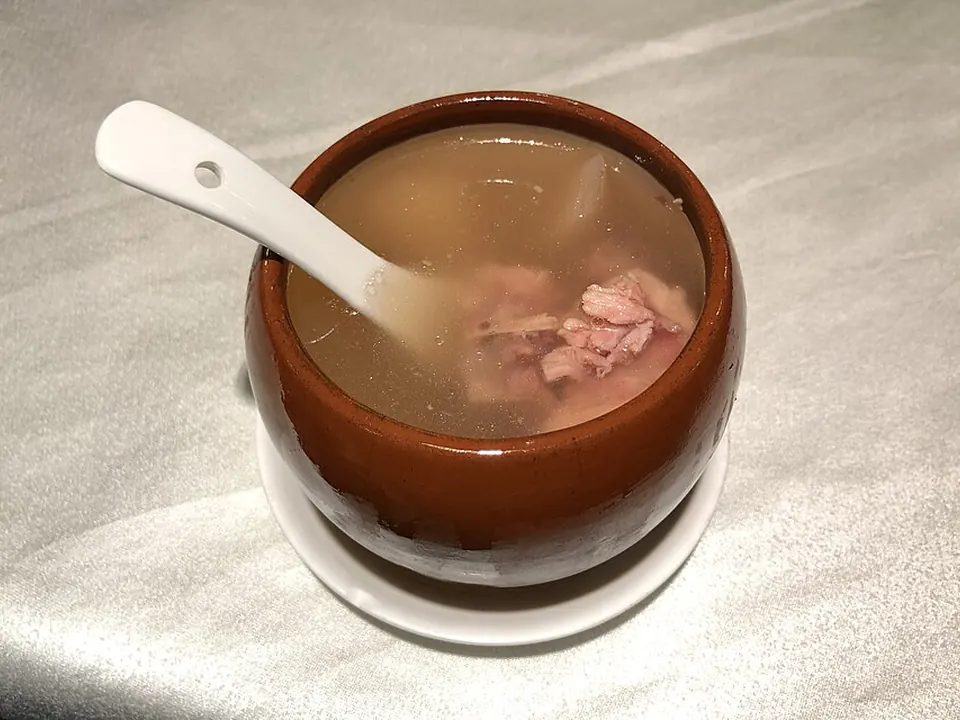 瓦罐汤
wǎguàntāng
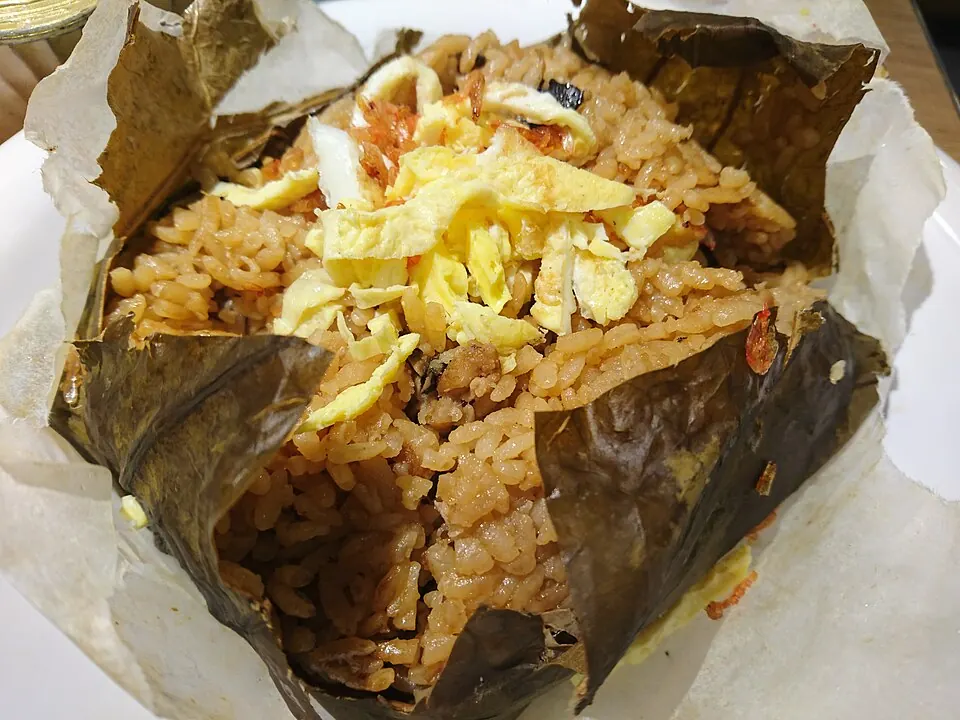 荷叶饭
héyèfàn
 蟹黄汤包
xièhuáng tāngbāo
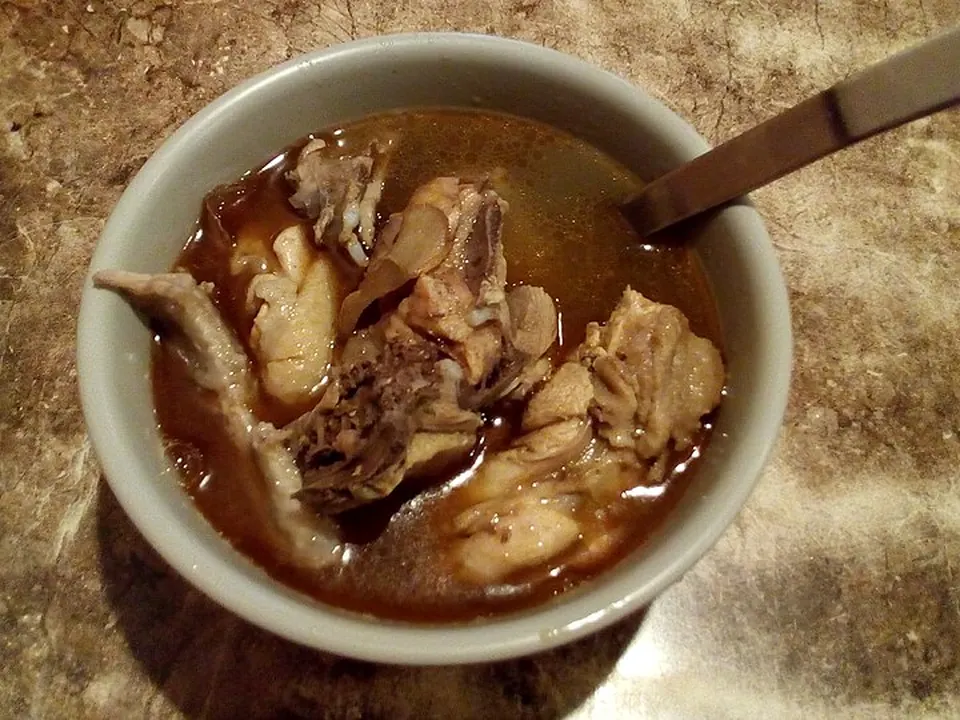 麻油鸡
máyóujī
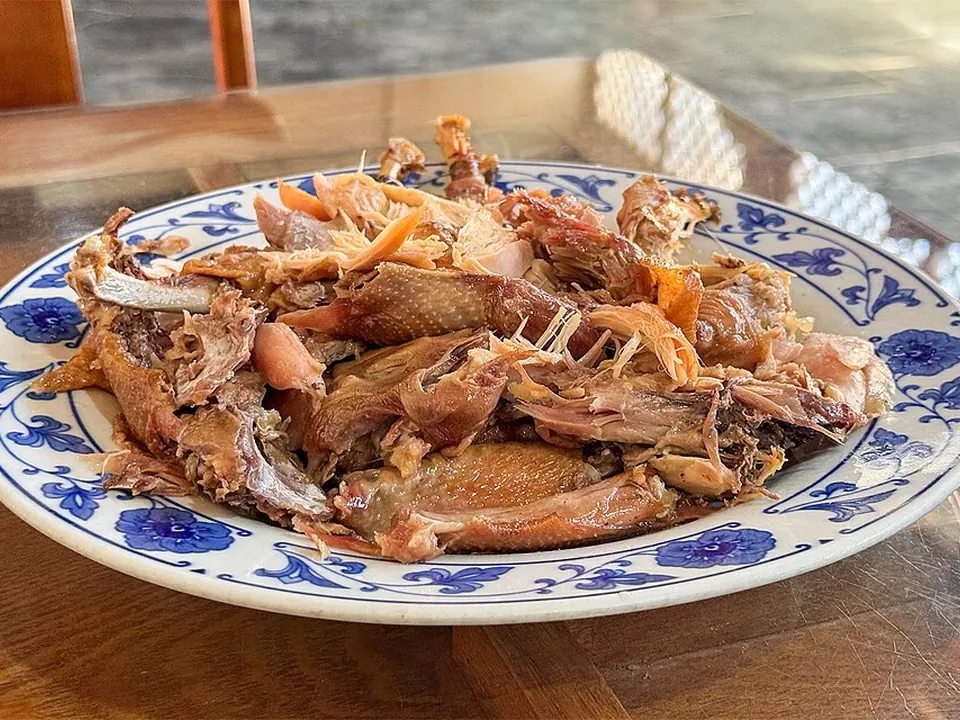 道口烧鸡
Dàokǒu shāojī