
糌粑, photo 1 of 3
糌粑, photo 2 of 3
糌粑, photo 3 of 3

Photo credit

Photo
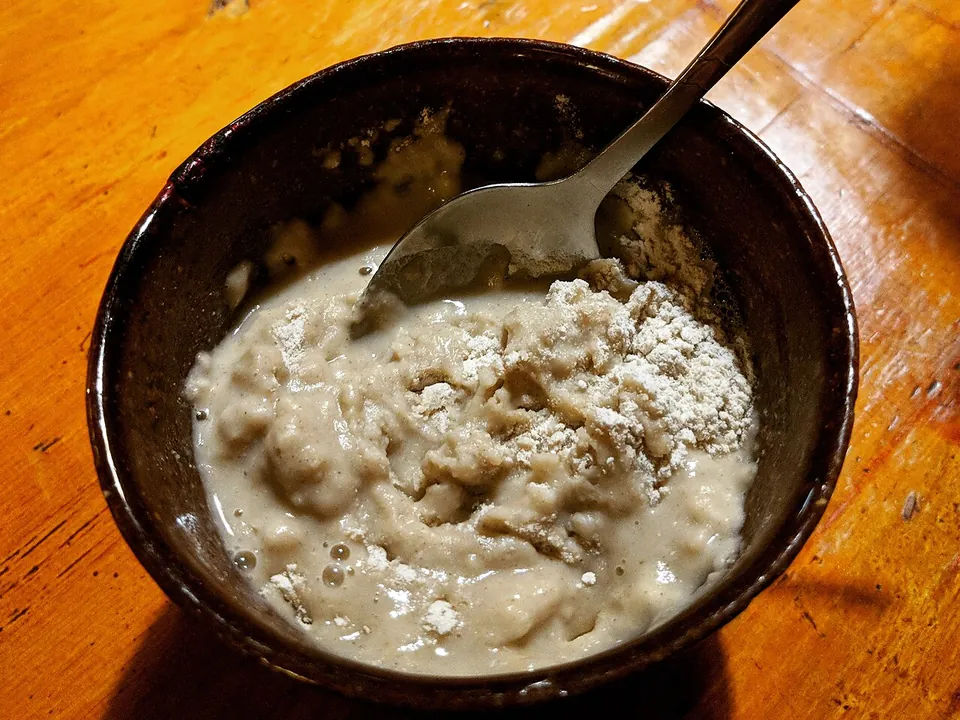
Tsampa being blended with yak butter tea
By
Jpatokal
Licence
CC BY-SA 4.0
Source
Wikimedia Commons
Changes
Cropped and resized

Photo credit

Photo
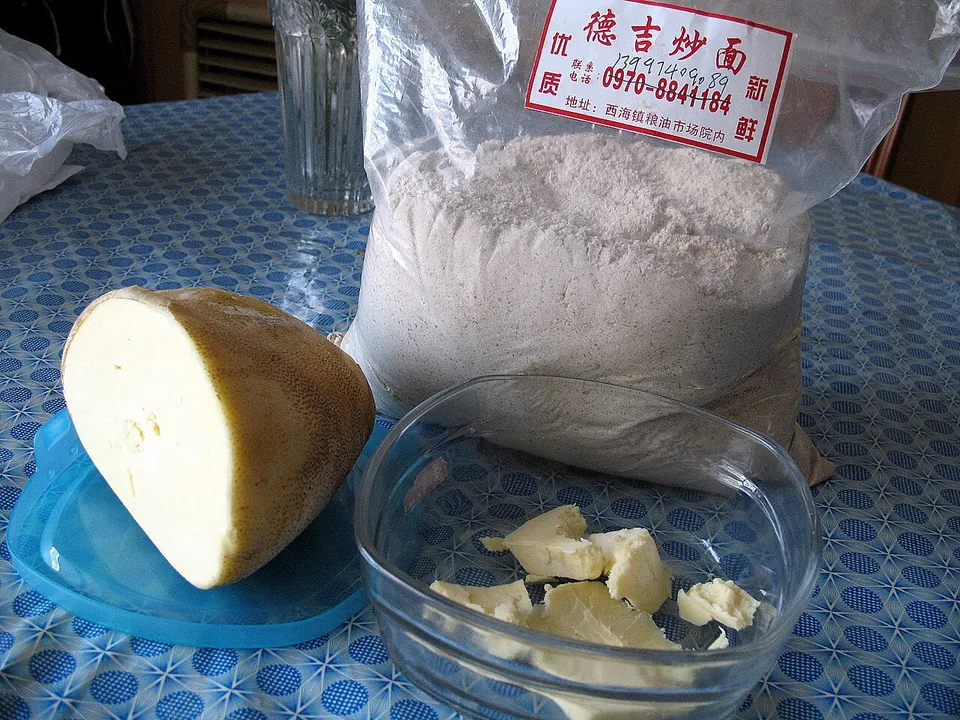
糌粑2
By
Qingning Jia
Licence
CC BY-SA 2.0
Source
Wikimedia Commons
Changes
Cropped and resized

Photo credit

Photo
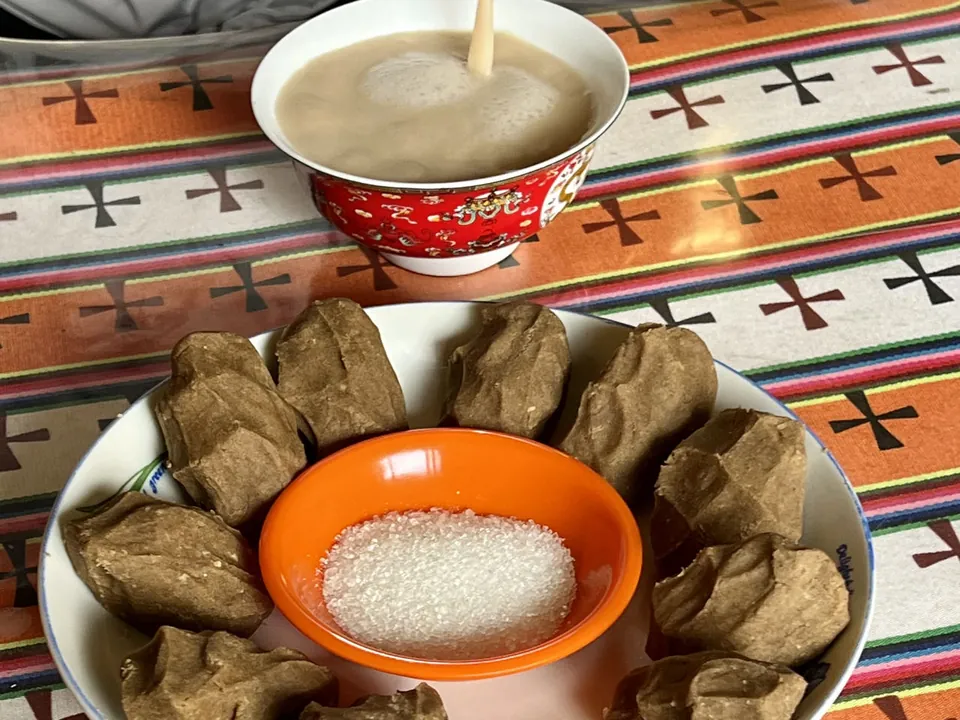
The Zang nationality’s breakfast
By
Leeinm
Licence
CC BY-SA 4.0
Source
Wikimedia Commons
Changes
Cropped and resized

糌粑

zānbā
noun

Measure Word

一团糌粑 tuán

Meanings

  1. 1 tsampa (Tibetan staple of roasted barley flour)

About the ingredient

粮食 Grains and noodles

Flour of highland barley that is roasted before milling, so it needs no more cooking. Tibetans mix it in a bowl with butter tea, dried cheese and sugar, kneading it by hand into small balls.

Examples

HSK 7-9
Zàngzú tóngbāo měitiān dōu chī zānbā.
Tibetans eat tsampa every day.
HSK 7-9
Tāyòng sūyóuchá bǎ zānbā niē chéng xiǎo tuán.
He kneaded the tsampa into small balls with butter tea.

Tips

culture
Tibetan dietary cornerstone for over a thousand years: highland barley (青稞) is roasted then ground into flour. Eaten by mixing with butter tea (酥油茶) or yak butter directly in a wooden bowl, then kneaded by hand into bite-sized balls. The word 糌粑 is itself a transliteration of Tibetan tsampa.
mistakes
Pronounced zānbā, not zǎnbā. The neutral-tone reading zān ba also appears, but the spelled-out reading zānbā with first tone on both syllables is the most common standard.

Stroke Order

糌 zān
粑 bā