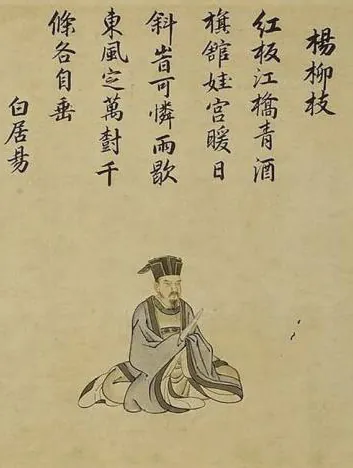
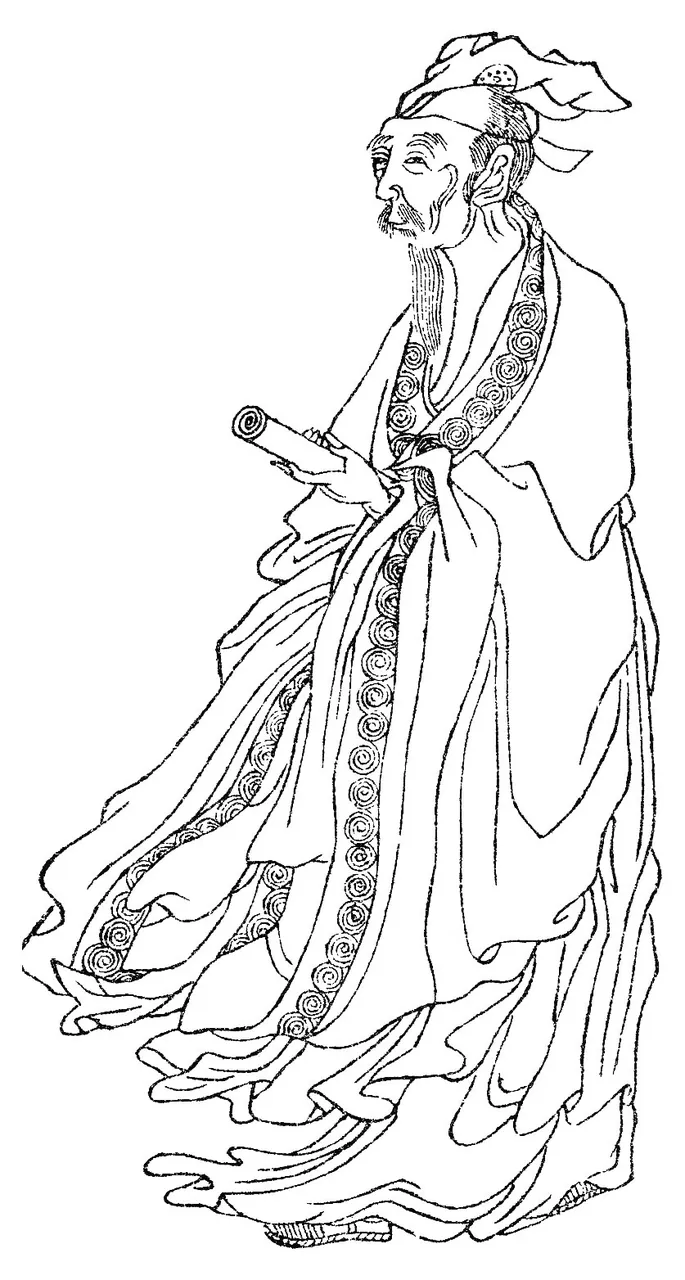
Bai Juyi, photo 1 of 3
Bai Juyi, photo 2 of 3
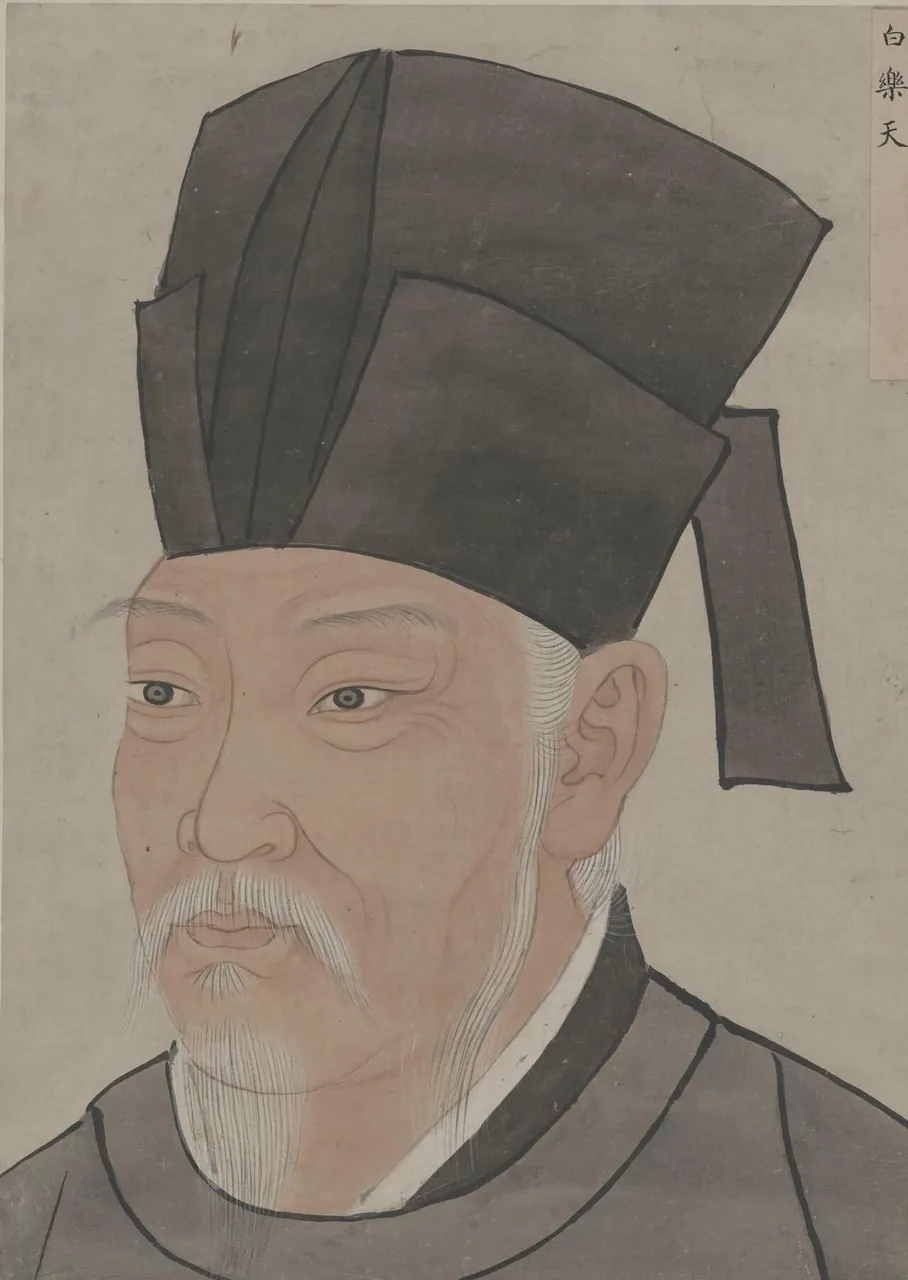
Bai Juyi, photo 3 of 3

Photo credit

Photo
唐名臣像-21-白樂天
Licence
Public domain
Source
Wikimedia Commons
Changes
Resized

Photo credit

Photo
Tang dynasty poet Bai Juyi
By
Kanō Tsunenobu (1636-1713)
Licence
Public domain
Source
Wikimedia Commons
Changes
Resized

Photo credit

Photo
Bai Juyi
Licence
Public domain
Source
Wikimedia Commons
Changes
Resized

白居易

Bái Jūyì
proper noun

Meanings

  1. 1 Bai Juyi, Tang dynasty poet celebrated for accessible, socially engaged verse

About Bai Juyi

772–846 · 诗人 poet

Tang poet known for plain language; legend says he read each poem to an old woman to check she understood it. Chinese students learn his 长恨歌 and 琵琶行.

Also called  乐天、 香山居士

Examples

HSK 6
Bái Jūyì de 《 Chánghèn Gē 》 jiǎng de shì Táng Xuánzōng hé Yáng Guìfēi de àiqíng.
Bai Juyi's 'Song of Everlasting Regret' tells of the love between Emperor Xuanzong and Yang Guifei.
HSK 6
Bái Jūyì de shī lián lǎotàitai dōu néng tīngdǒng.
Bai Juyi's poems are so plain that even old women can understand them.

Tips

culture
When the young poet called on the official 顾况 in 长安, Gu joked on his given name 居易, 'living is easy': with everything so dear, living in the capital was 居大不易, 'not easy at all'. The phrase is still said of costly big-city life.
history
He was also a reformist official who used his poetry (新乐府运动, the New Yuefu Movement) to criticize government corruption and the suffering of ordinary people, a radical use of verse for his era.

Stroke Order

白 bái
居 jū
易 yì