始皇帝

Shǐhuángdì
proper noun

Meanings

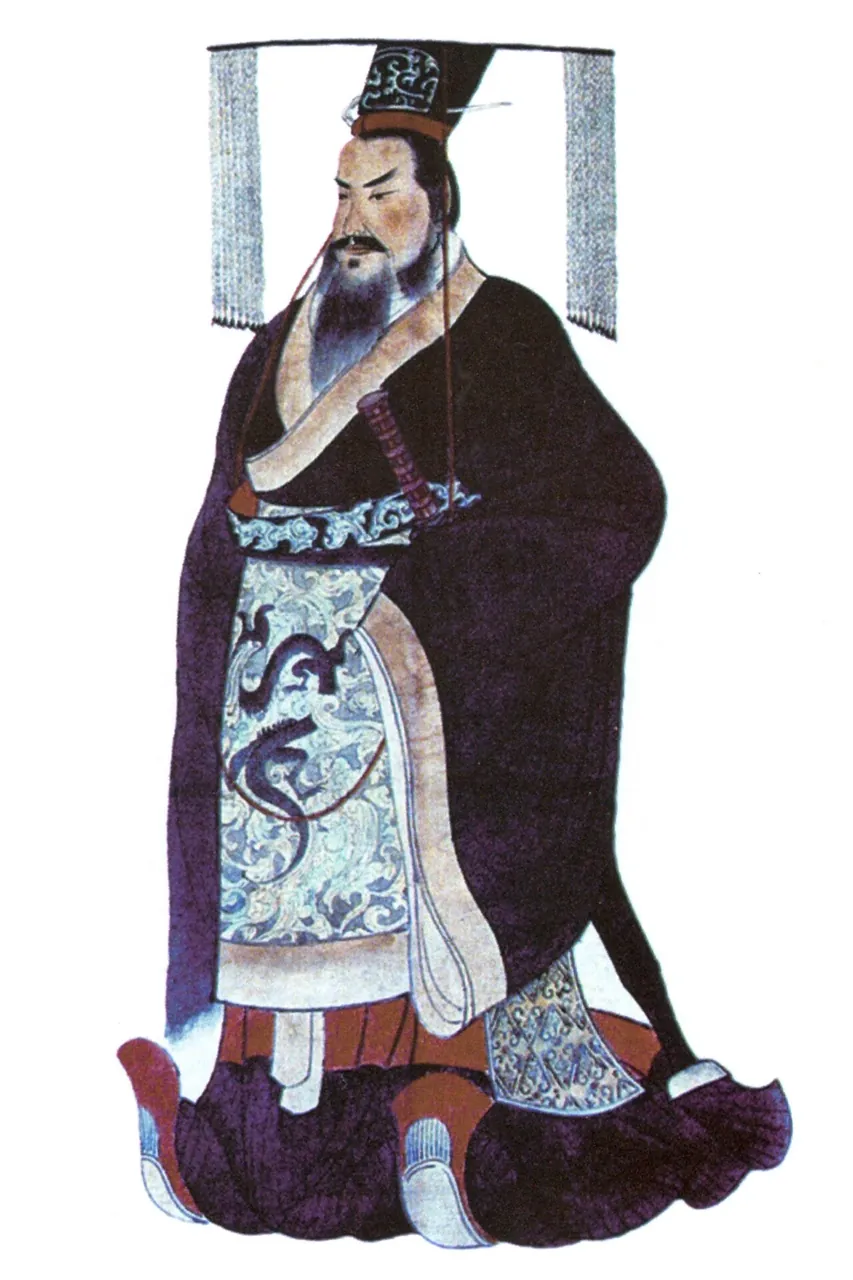
  1. 1 the First Emperor, the title taken by the king of Qin after he unified China in 221 BC
秦始皇 Qínshǐhuáng Qin Shi Huang · monarch, 259–210 BC

Examples

HSK 4
Shǐhuángdì jiùshì wǒmen cháng shuō de Qínshǐhuáng.
The First Emperor is the one we usually call Qin Shi Huang.
HSK 7-9
Shǐhuángdì xīwàng Qíncháo de huángwèi cóng èrshì, sānshì yìzhí chuán dào wànshì.
The First Emperor hoped the Qin throne would pass from the Second Emperor and the Third all the way down to the ten-thousandth.

Tips

history
In 221 BC 嬴政, king of 秦, finished conquering the other six states and took a new title, 皇帝, joining 皇 and 帝, words for the god-kings of legend. As the first to bear it he called himself the First Emperor. He also did away with posthumous titles, saying that sons should not judge their fathers: his heirs were simply to be numbered, and his son reigned as 秦二世, the Second Emperor.
usage
Everyday Chinese calls him 秦始皇, 'the First Emperor of Qin'; 始皇帝 is the title itself, the form used in the histories.

Stroke Order

始 shǐ
皇 huáng
帝 dì